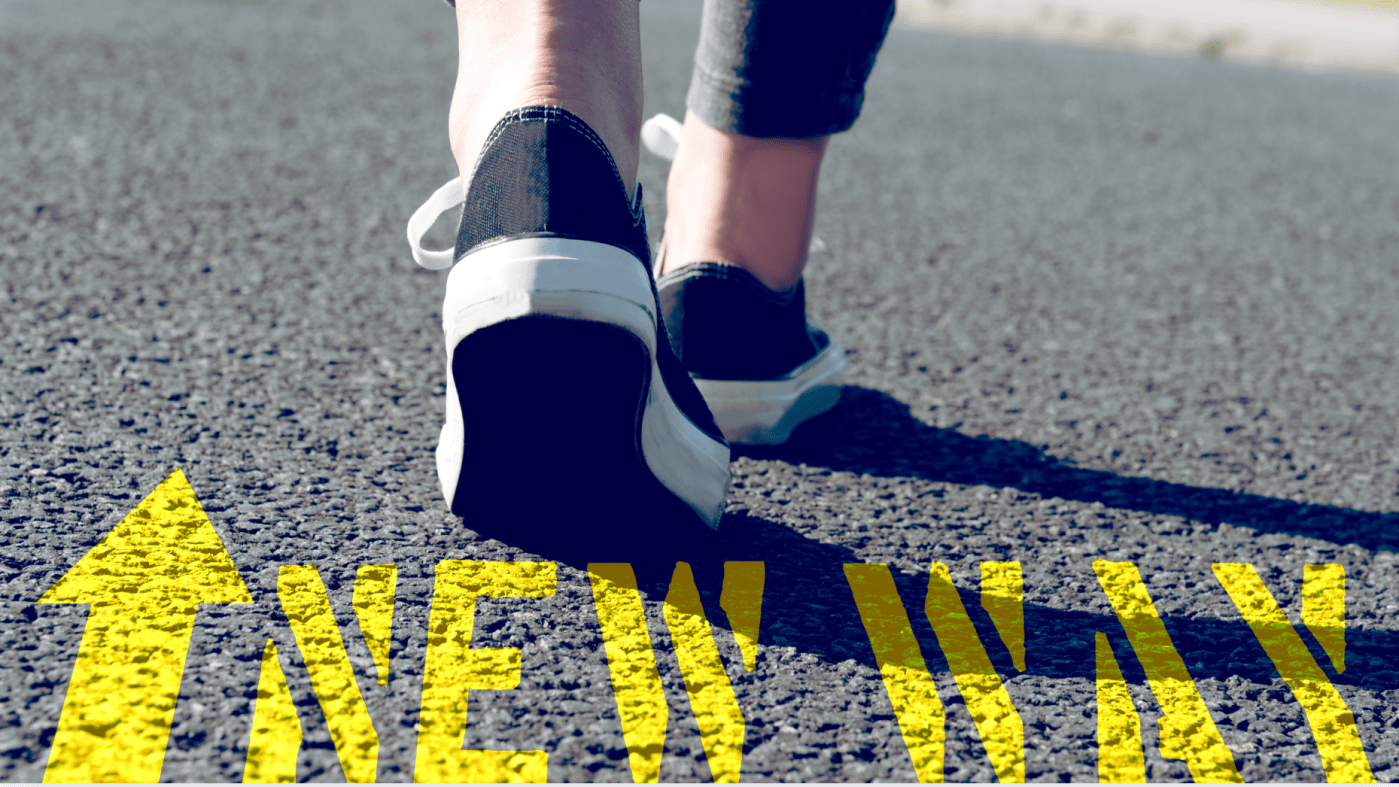
The world is divided into thinkers and doers—and only about 20% of people are truly doers. Shocking, right? But that’s not the focus of this article.
Rather, this is about learning how to face challenges and move forward into unfamiliar territory. What happens when our routine is disrupted? When we’re pushed beyond the familiar and into unfamiliar territory? This matters now more than ever. In today’s rapidly changing world, losing a job can mean losing your professional identity—and being forced to reinvent yourself entirely.
Last year, I met someone who had just lost his job after 26 years. He was in his mid-50s and completely adrift. While spending time with him, I often heard him say, “I have no idea what I’ll be doing. I have no clue what I could do. I don’t know how this will end.” It became a sort of mantra, and all I could think was: This poor man—his mind won’t stop reminding him that he hasn’t even begun to figure things out.
What Happens After Loss
After any major life change, the first instinct is to assess your situation. Even if you welcomed the change, there comes a moment when your thoughts pull you inward. Suddenly, a reel of worst-case scenarios starts playing in your head. That voice? It’s your ego—trying to protect you by keeping you in your comfort zone, using fear as its tool.
Why the Mind Gets in the Way
You can’t discover new paths with old thinking. Most of your thoughts aren’t even original; they’re borrowed—recycled ideas picked up over time. When we face the unknown without an open heart, anxiety and fear rush in. Unfortunately, once your mental carousel starts spinning, it’s tough to slow it down and regain a sense of possibility.
But the ego isn’t all bad—it can also serve a purpose. It forces you to focus inward. In times of uncertainty, it’s important not to dismiss or suppress discomfort. Instead, sit with it. Acknowledge it. Reconnect with your goals and values, and then choose your new direction. I went through this myself last year while transitioning into a new career. It felt like I was wasting time, stuck in limbo. But I learned that creating a path is not the same as walking it.
Why Action Is Everything
My love-hate hobby is sewing. Why? Because, as a covert perfectionist, it challenges me to take action without having everything figured out in advance—and to learn by making mistakes. That’s what sewing is all about: doing, adjusting, and continuing. It’s uncomfortable because, as adults, we carry different expectations. We plan more. We’re more cautious. Somewhere along the way, we lost the freedom to not know—and just figure things out.
When I quit jobs or moved countries, people would ask, “What are you going to do there?” My answer was always, “How could I know? I’m not there yet.” We crave control and certainty—but they’re illusions.
To Move Forward, We Must Look Back
In today’s world, adaptability is one of the most valuable skills. Living through constant change demands the ability to figure things out. We must be willing to fail fast, learn quickly, and stay open to unexpected opportunities that may better align with our goals and values.
So why does it feel so uncomfortable?
Because following your own path is slower. It’s not the fast lane—it’s the pathless path. When you tune in to your inner compass, you won’t keep pace with the crowd. You’ll be carving your own way, step by step. That discomfort you feel? It’s the feeling of expanding beyond your comfort zone. What did you expect? If it feels uncomfortable, you’re probably on the right track.
Final Thoughts: Just Start Doing
Leaning into the unknown will never feel easy. The lack of certainty breeds anxiety, and your mind will scramble for answers. But the moment you stop overthinking and start doing—even clumsily—that’s when growth begins. One imperfect step at a time.
 my beatitude
Leave a comment