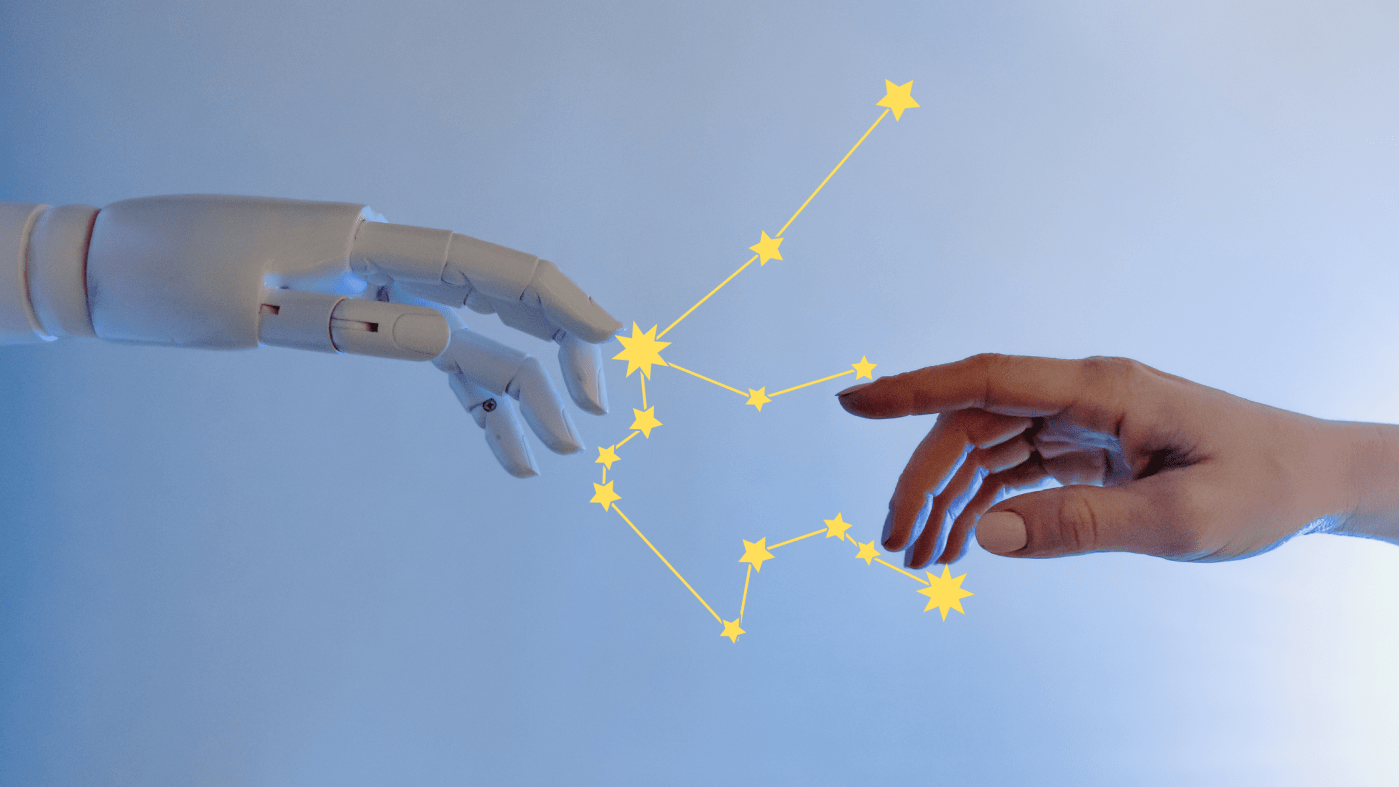
Between Hyper-Independence and Human Needs
We are living in unprecedented times – a millennial shift that redefines humanity’s trajectory. The technological advancements of the past century have catapulted us into an era of transformation that feels like a 1,000-year leap forward. It’s awe-inspiring yet daunting to grasp the pace of change around us.
Technology: Connecting and Isolating Us
Predicting what our work life will look like in a decade feels impossible. What’s clear, however, is that technology both connects and isolates us. According to a report, the average person now spends over 6 hours daily online, with 3 hours on their phone alone. Last week, I discovered I was spending the same amount of time – nearly 19% of my waking hours – scrolling, texting, and watching, much of it on distractions or maintaining a digital avatar.
This constant online presence creates a false sense of connection. Seeing people online tricks us into believing we’re close, but in reality, it often keeps relationships at a safe, emotional distance. For someone like me, who has always embraced hyper-independence, this digital closeness feels convenient. It supports my need for self-sufficiency and reinforces a belief that I can function entirely on my own. But is this truly sustainable?
Hyper-Independence: A Double-Edged Sword
Hyper-independence, often celebrated as strength, can mask deeper wounds. Research suggests that one-third of adults in Western societies identify as self-reliant to the point of avoiding vulnerability. While these traits make individuals adaptable and highly functional in workplaces where emotional regulation is key, it’s worth noting that humans are biologically wired for connection.
What I once saw as a badge of honor – handling everything on my own – I now recognize as a trauma response. We may thrive in environments that value independence, but suppressing the need for human connection ultimately leaves us depleted.
Our Soul’s Cry for Rest
In our “busy is better” culture, we’ve normalized an unsustainable pace of life. Today, the average person processes five times more information daily than someone in the 1980s, and the mental load can lead to chronic stress, burnout, and emotional numbing. No wonder studies show that 85% of people worldwide feel emotionally disengaged.
Downtime isn’t a luxury; it’s a necessity. Just as we need food and sleep, we need moments of stillness to recalibrate. I’ve found that dedicating one full day a week to rest allows me to recharge and maintain my emotional well-being. Without it, I’d risk losing touch with myself in the endless stream of notifications and to-do lists.
The Soul and Technology: An Uneasy Relationship
The rise of AI and advanced technologies has only deepened the tension between connection and isolation. People are increasingly turning to AI not just for practical advice but for existential guidance. Instead of looking inward, we seek answers externally, relying on technology to fill emotional voids.
What we forget is that each of us carries an innate intelligence – call it intuition, consciousness, or soul-level awareness. But tapping into it requires courage and stillness, something we’re losing in the digital age.
Staying Grounded Amid Rapid Change
As technology propels us forward, staying grounded becomes more challenging yet more essential. Personally, I’ve found solace in rituals – small, meaningful practices that reconnect me to my center. Whether it’s journaling, mindful walks, or simply disconnecting from screens, these routines help anchor me amid life’s whirlwind.
Interestingly, this rapid pace of change often makes life feel longer. More jobs, more cities, more relationships – our lives are now packed with experiences that previous generations would spread across decades. While exciting, this acceleration forces us to develop tools to stay connected to our humanity.
The Future: Humanity or Machine?
We stand at a crossroads. As technology becomes inseparable from our daily lives, humanity faces a divide: between those who embrace the metaverse and those who seek higher consciousness. This isn’t just a philosophical shift – it’s a practical one. The future may hold a union between soul and technology, allowing us to live more authentically through innovation.
However, the mind alone cannot lead us there. Historically, the mind has been a flawed guide – prone to ego, insecurities, and avoidance of pain. If we fail to lead with emotional courage and open-heartedness, we risk becoming like the very robots we’re building.
Closing Thoughts: Welcoming the New
The structures of the past are crumbling, making way for something entirely new. Whether this shift elevates humanity or diminishes it will depend on our ability to balance technological advancement with emotional and spiritual growth. Perhaps in 50 years, we’ll find ways to connect our essence with technology, allowing us to thrive in a way that honors both our humanity and innovation.
Until then, the choice is ours: Will we let technology guide us, or will we use it as a tool to amplify our deeper, truer selves?
 my beatitude
Leave a comment